Geagea meets Iraqi MP Ogana in Maarab, discusses Christian presence in the region
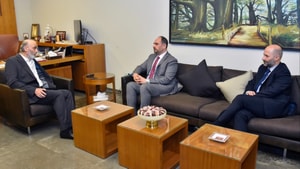
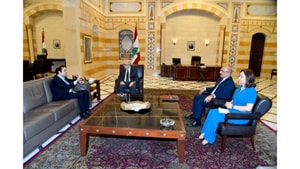
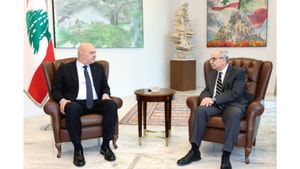
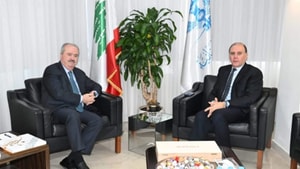
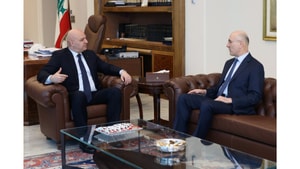
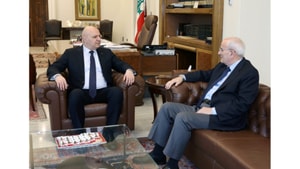
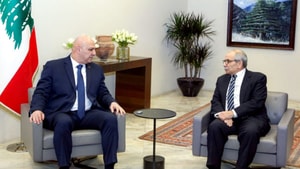
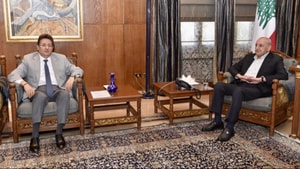
Lebanese Forces leader Samir Geagea received Iraqi Christian MP Khaldo Ramzi Ogana, head of the Siwayana bloc, at his Maarab headquarters, in the presence of LF Central Council member Elie Chirbichi.
Discussions reportedly focused on strengthening ties between the Lebanese Forces and Ogana’s bloc in the interest of both Lebanon and Iraq, as well as on the situation of Christians in Iraq and the broader region, and ways to support their continued presence in their homelands while reinforcing principles of citizenship, partnership, and pluralism.
Geagea underscored the importance of maintaining a strong Christian political presence in the Levant, and voiced support for the steadfastness of Iraq’s Christian community and its continued rootedness in its historic homeland.
For his part, Ogana described the meeting as a reflection of deep respect for Geagea’s political and historical standing, calling him one of the central figures in modern Lebanese and Arab history and among the foremost Christian leaders in the region, someone whose rich political experience is worth heeding, particularly given the challenges facing the region’s peoples. He added that Lebanon’s strength and stability matter not only to the Lebanese themselves but also serve as a source of hope for Christians throughout the region, proof that an Arab nation can still embrace diversity and give it an active role in national life.
It is a great honor to meet one of the symbols of political struggle in this region, Ogana said. This meeting is an opportunity to build bridges and exchange views on the future of Christians here, based on the firm conviction that their rights are best protected through national partnership and the rule of law.
Both sides agreed the meeting marked a further step toward deeper engagement and toward reinforcing the values of citizenship and partnership, while respecting each country’s sovereignty and contributing to regional stability.
Separately, Geagea argued that Lebanon’s political life today is defined by a confrontation between two approaches: one committed to building state institutions and legitimacy, the other rooted in weapons and corruption. He stressed that both camps include Lebanese from across the country’s sects, underscoring that the divide is not sectarian but rather one of principles, values, and vision for the state.