Bassil warns against foreign attempts to control Lebanon
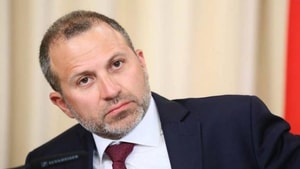
Free Patriotic Movement leader MP Gebran Bassil said that Lebanon’s main challenge today is preserving its cultural diversity and the principle of full partnership among its communities.
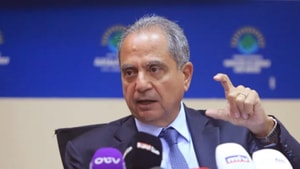
Speaking during an Ask Gebran event in France, Bassil stressed the importance of safeguarding Lebanon’s distinctive identity and pluralistic character. He said the fundamental question facing the Lebanese is whether they remain convinced of the value of living together and of Lebanon’s model, which is based on cultural diversity and full partnership.
Bassil argued that despite the sacrifices and costs it entails, Lebanon’s experience remains preferable to one based on a single ideology, highlighting its pluralism and its capacity to foster coexistence. He added that the Lebanese are responsible not only for shaping the country’s political system but also for defining Lebanon’s role and ensuring that every individual can contribute while preserving their freedom and rights.
Referring to the anniversary of October 13, Bassil stressed the importance of recalling its spiritual and national significance, as well as the sacrifices made by a generation of activists who fought to preserve Lebanon, its identity and its diversity.
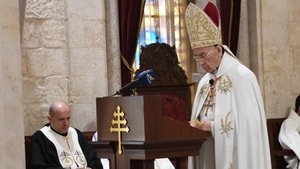
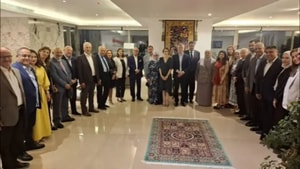
Bassil also discussed his visit to France, which coincides with commemorations of October 13, drawing attention to the statue of Patriarch Elias Howayek at Our Lady of Lebanon Cathedral in Paris. He said the historical connection between Howayek and the establishment of Greater Lebanon carries important national and spiritual significance.
He warned against repeated attempts by foreign powers to gain control over Lebanon, as well as new efforts targeting the country, calling for the protection of Lebanon’s model of partnership, openness and engagement with different societies.
Bassil further noted that Lebanese expatriates embody Lebanon’s message of openness, demonstrating their ability to integrate into the societies in which they live while maintaining their identity and distinctive heritage.
He concluded by stressing that Lebanon’s future depends on its people’s conviction in the country’s model of coexistence and their ability to protect pluralism, freedoms and rights, which he described as fundamental pillars for the survival of the Lebanese experience.