What’s Being Planned Internationally for August 4?
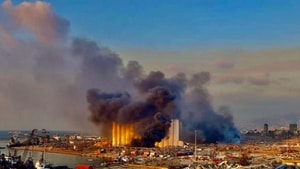
Six years after the Beirut port explosion, the families of those killed and injured are still waiting for the final answers that could reveal what happened on that devastating day. The case has entered one of its most critical judicial stages, but efforts to shield those accused in connection with the blast have continued to cast a shadow over the pursuit of justice.
The investigation is now moving toward the preparation of the indictment, bringing the case closer than ever to a possible trial. At the same time, Rome is preparing to host the seventh round of Lebanese Israeli talks aimed at advancing the implementation of the framework agreement. Despite the different nature of the two tracks, they share a key point of contention: Hezbollah’s opposition to any process that strengthens the authority of the Lebanese state and reinforces its exclusive control over security and military decisions.
In the port case, Investigative Judge Tarek Bitar has completed the bulk of his investigation, with the file now before the Public Prosecution at the Court of Cassation. Judge Mohammad Saab is preparing his legal submission, which will pave the way for the indictment and the referral of the case to the Judicial Council. The move could bring the families of the victims closer than ever to the start of a trial, six years after the explosion.
Yet major questions remain unanswered. Among them are the deaths of several figures who were linked, directly or indirectly, to the investigation into the ammonium nitrate stored at the port. They include Colonel Joseph Skaff, retired Colonel Munir Abu Rajili, photographer Joe Bejani and writer Lokman Slim. Their deaths have never been conclusively explained through the judicial process, despite the political and media allegations that have surrounded them.
According to Nidaa Al Watan sources, if Hezbollah continues to obstruct proceedings before the Judicial Council, several foreign countries could take further legal steps. These countries had previously opened their own investigations into the explosion and lost nationals in the blast.
The sources said those countries are expected to wait for the Lebanese investigation to be completed and for an indictment to be issued before asking the Public Prosecution at the Court of Cassation to provide them with the findings of the Lebanese investigation. They would then seek to continue the legal proceedings already initiated in their respective countries.