Israeli Escalation: A Pressure Tool or a Trap for Talks?
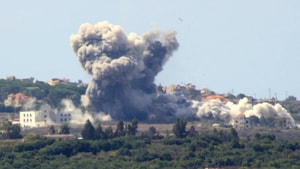
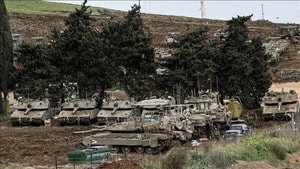
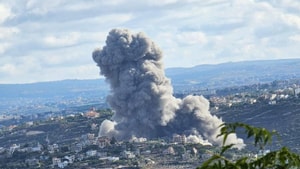
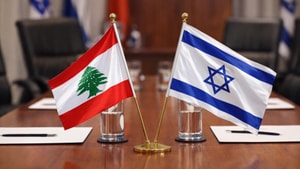
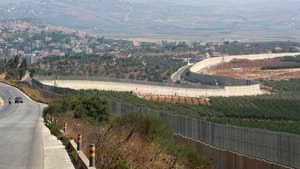
Negotiations between Lebanon and Israel have been repeatedly disrupted by the military and security escalation carried out by Israel. While this escalation is seen as a way to increase pressure and gain more at the negotiating table, questions remain over whether it is actually achieving its goals, especially as Israel appears interested in moving forward with US-backed talks aimed at politically weakening Hezbollah.
However, the escalation on the ground seems to be having the opposite effect. It weakens the Lebanese state’s position in the negotiations by making it appear unable to assert control, while giving Hezbollah an opportunity to strengthen its “resistance” narrative, defend the presence of its weapons, and reinforce its support among its base.
In this context, Israeli pressure has become a double-edged sword. It may bring short-term gains, but it also risks damaging the negotiating process and creating a challenge for Washington, which is trying to maintain talks while preventing a wider conflict.
This situation raises questions over whether Israel’s current approach serves its long-term interests or instead gives its opponents more leverage inside Lebanon and across the region.
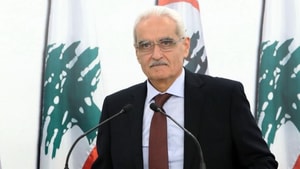
MP Fadi Karam, a member of the Strong Republic parliamentary bloc, told Al Markazia that the negotiations are taking place under pressure. He said Lebanon is negotiating on its own behalf, but that “the Iranian-backed faction inside Lebanon has different calculations and wants to derail the talks, especially since its negotiations with the United States have stalled. It is therefore trying to disrupt what is happening between Lebanon and Israel.”
Karam said Israel is also approaching the negotiations reluctantly, as it would prefer to return to war and completely eliminate Hezbollah, which he described as Iran’s arm in Lebanon. “The negotiations will not be easy, but they are continuing with US support,” he said.
He added that Lebanon is meeting its responsibilities at the negotiating table but is not taking the necessary steps on the ground. “The fastest way for these negotiations to succeed is for the Lebanese army and security forces to take control and resolve the issue of weapons. It is clear that Lebanese officials do not want to address this matter,” Karam said.
He warned that this situation could leave Lebanon exposed to another war, while Iran’s influence continues to complicate efforts and Israel remains unconvinced about the situation inside Lebanon.
Asked whether the Israeli escalation benefits Hezbollah and harms the negotiations, Karam said the opposite was true. “The failure to resolve the issue of Hezbollah is what serves Iran’s interests. Everything Iran is doing in Lebanon, the region, and the Arab countries where it has influence is aimed at buying time.”
“Every day that passes without addressing the situation of Iran’s allies in Lebanon and elsewhere is a gain for Iran and a loss for countries and peoples such as Lebanon, Iraq, Yemen, and the Palestinians,” he added.
Karam concluded that Israel understands this reality and wants to return to war because, despite weakening many of Iran’s regional allies, it believes they have not yet been fully defeated.