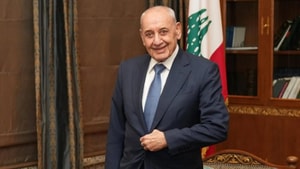
Lebanese, Syrian agriculture ministers discuss expanding cooperation
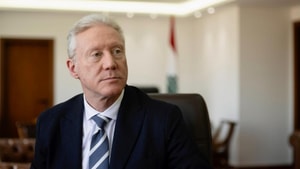
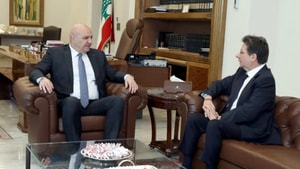
Agriculture Minister Nizar Hani visited Damascus on an official trip aimed at strengthening agricultural cooperation between Lebanon and Syria, where he took part in a regional agriculture conference and held talks with senior Syrian officials on boosting bilateral coordination.
Hani led an official delegation that included Agriculture Ministry Director General Louis Lahoud, Ministerial Office Director Samer Khound, adviser Fadi Ghanem and Lebanese Ambassador to Syria Henri Caston.
The minister opened his visit by participating in the inauguration of the AgriTEK Syria international exhibition and conference alongside Syrian Agriculture Minister Basel Sweidan and Economy and Industry Minister Nidal Al-Shaar, in the presence of Arab and international officials, UN representatives and agricultural stakeholders.
Hani also took part in a ministerial panel on the future of agriculture and food security in the Levant, alongside the two Syrian ministers, the acting FAO representative in Syria, Perro-Tomaso Perri, and World Food Programme Deputy Head of Programmes in Syria Jerry Soni.
Discussions focused on the impact of climate change, natural resource and water management, food security, farmer resilience, agricultural value chains, investment in modern agricultural technologies and the need for greater regional integration to build more resilient food systems.
Addressing the conference, Hani said food security had become a fundamental pillar of economic and social stability and national sovereignty, stressing that the region’s shared challenges required moving beyond coordination toward genuine partnerships based on knowledge-sharing and resource integration.
The future of agriculture in the Levant will be built through cooperation, not competition, and through integration, not isolation, he said, reaffirming Lebanon’s commitment to sustainable regional partnerships, climate-smart agriculture, improved production quality, digital agricultural services and stronger cooperation with Arab countries and international organizations.
Following the session, Hani and Sweidan toured the exhibition, where they reviewed the latest agricultural technologies and food industry innovations. Hani praised the participation of Lebanese companies, saying it reflected the resilience and competitiveness of Lebanon’s agricultural sector despite ongoing challenges.
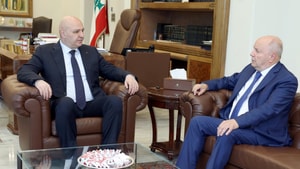
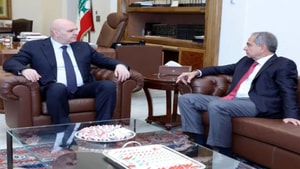
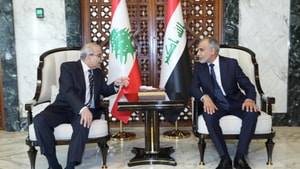
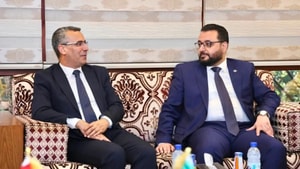
On the second day of the visit, Hani held expanded talks with Sweidan, attended by Syrian Ambassador to Lebanon Iyad Hazzaa, Lebanese Ambassador to Syria Henri Caston and senior officials from both countries.
The meeting focused on strengthening agricultural cooperation, coordinating policies, exchanging expertise, developing plant and animal production, expanding technical cooperation and removing obstacles affecting the movement of agricultural products across the Lebanese-Syrian border.
Sweidan said the longstanding ties between Syria and Lebanon provided a solid foundation for deeper agricultural cooperation, outlining Syria’s plans to modernize agricultural extension services, expand modern irrigation and renewable energy, strengthen laboratories and legislation, and encourage investment in agriculture and livestock.
Hani described agricultural integration between the two countries as a strategic opportunity, stressing the need for practical measures to facilitate agricultural trade while protecting producers’ interests.
He said both sides agreed on the importance of preparing a comprehensive agricultural protocol to regulate the movement of agricultural products between Lebanon and Syria by harmonizing technical and administrative procedures, facilitating truck crossings and easing congestion at border crossings, particularly during peak fruit and vegetable export seasons.
Hani also extended an official invitation to his Syrian counterpart to participate in the upcoming Agri Lebanon exhibition as part of efforts to deepen agricultural cooperation.
During the meeting, Director General Louis Lahoud reviewed the work of the joint Lebanese-Syrian technical agricultural committees, which focus on scientific cooperation, laboratory testing, harmonizing technical standards, water resources, fisheries, food processing, agricultural research, extension services, plant health, pesticides and animal production.
Both sides agreed to reactivate the committees’ regular meetings to further agricultural integration, improve production and facilitate agricultural trade between the two countries.
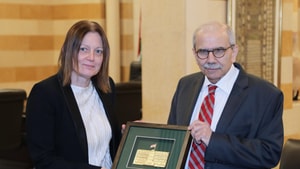
At the conclusion of the visit, Hani thanked the Arab Center for the Studies of Arid Zones and Dry Lands (ACSAD) for its support in organizing the official visit and helping advance regional agricultural cooperation.