Bassil: Christians are key to regional coexistence and Lebanon’s identity
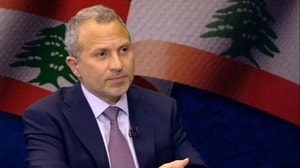
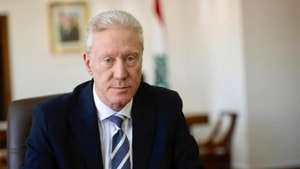
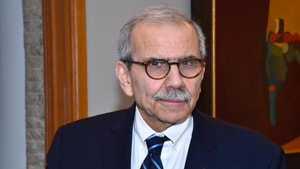
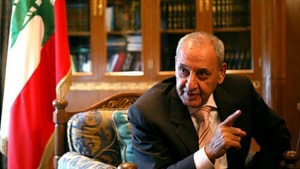
FPM leader MP Gebran Bassil has emphasized the role of Christians in Lebanon and the wider Middle East, describing them as a bridge between communities and a cornerstone of coexistence in the region.
Speaking about Lebanon’s social model, Bassil said the country represents a unique example of religious coexistence, warning that the exclusion or decline of Christians would weaken this balance and undermine interfaith harmony.
He pointed to the decreasing number of Christians across the Middle East, including in Iraq, Syria, Palestine, and Lebanon, linking the trend to ongoing wars, instability, and limited economic opportunities that continue to drive emigration.
Bassil argued that Christians are often among the main victims of regional conflicts and stressed the importance of maintaining Lebanon’s neutrality to preserve its diversity and national role. He added that Lebanon should avoid being drawn into external conflicts and instead prioritize stability and the protection of all its communities, including Christian populations in the south.
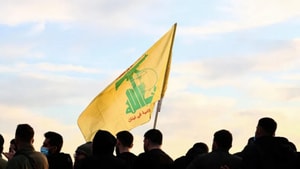
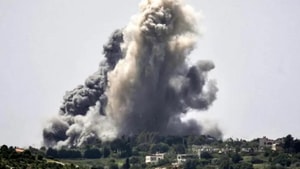
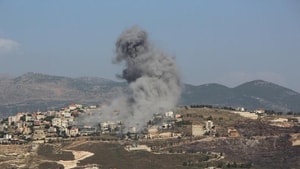
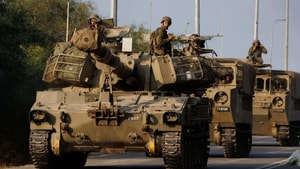
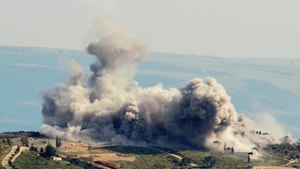
On regional tensions, Bassil criticized the destruction in southern Lebanon and called for a ceasefire, Israeli withdrawal, and stronger responsibility from the Lebanese state in securing border areas. He also said that Hezbollah’s actions have become problematic, linking them to external agendas that do not reflect national consensus.
He expressed support for a long-term peaceful arrangement between Lebanon and Israel, based on mutual security guarantees and lasting stability.
Bassil further called for a unified Lebanese defense strategy under state authority, rejecting the role of non-state armed groups, and suggesting neutrality supported by international guarantees as a potential framework for Lebanon’s future.
He rejected proposals to partition Lebanon, describing them as unrealistic and harmful to coexistence, arguing that such ideas would deepen divisions rather than solve them.
Addressing the role of the United States, Bassil called for a more balanced and fair approach to the region, stating that policies weakening minority groups have not contributed to long-term stability.
He concluded that Lebanon’s strength lies in its diversity, stressing that Christians must remain active in political and public life to preserve their role in the country’s identity and future.