Israel Strikes Beirut for the First Time Since the Ceasefire

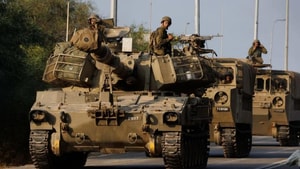
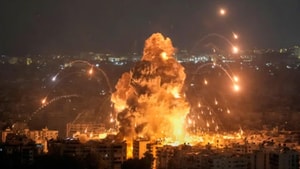
Israel struck Beirut on Wednesday night for the first time since agreeing to a ceasefire with Hezbollah last month, with Israel saying it targeted a commander of the militant group's elite Radwan force in the city's southern suburbs.
Israeli Prime Minister Benjamin Netanyahu and Defense Minister Israel Katz announced the action in a joint statement. Israeli media reported that the commander was killed in the strike, but there was no immediate confirmation from the Israeli military or Hezbollah.
The Lebanon ceasefire has underpinned a broader U.S.-Iran truce, with a halt to Israeli strikes in Lebanon being a key Iranian demand.
As Iran and the U.S. say they are drawing closer to a deal to halt their conflict, the strikes threaten the ceasefire that halted Israeli attacks on Beirut. Israeli troops have remained in areas south of the Litani River and strikes continued in southern Lebanon.
Iran ally Hezbollah has responded by firing and launching armed drones towards Israeli soldiers.
Israel earlier on Wednesday called for residents to evacuate several villages north of the Litani River, which could represent an expansion of Israel's zone of action.
Talks between Israel and Lebanon have continued, but have largely been at the ambassador level.
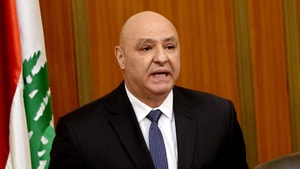
Lebanese Prime Minister Nawaf Salam said on Wednesday that it was premature to talk of any high-level meeting between Lebanon and Israel.
HIGH LEVEL MEETINGS PREMATURE
Salam, in comments reported by Lebanon's National News Agency on Wednesday, said shoring up a ceasefire would be the basis for any new negotiations between Lebanese and Israeli government envoys in Washington.
Washington last month hosted two meetings between the Israeli and Lebanese ambassadors to the United States. Hezbollah strongly objects to the contacts.
Since Hezbollah triggered the war by opening fire in support of Iran on March 2, the Lebanese administration led by Salam and President Joseph Aoun has initiated Beirut's highest-level contacts with Israel in decades, reflecting deep divisions between the Shi'ite Muslim group and its Lebanese opponents.
Announcing a three-week extension of the ceasefire on April 23, U.S. President Donald Trump said he looked forward to hosting Netanyahu and Aoun in the near future, and that he saw a great chance the countries would reach a peace deal this year.
Salam said Lebanon was not seeking “normalization with Israel, but rather achieving peace”.
“Our minimum demand is a timetable for Israel’s withdrawal, he said, adding that the government would develop its plan to restrict weapons to state control - an effort aimed at securing Hezbollah's disarmament.
Aoun said this week the timing was not right for a meeting with Netanyahu. Lebanon must first reach a security agreement and a halt to the Israeli attacks, before we raise the issue of a meeting between us, he said.