Central Bank holds closed-door talks in Paris
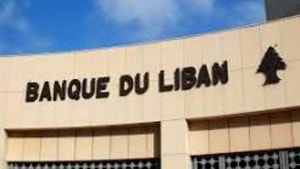
Central Bank of Lebanon (BDL) held closed-door meetings in Paris on October 27 and 28 with representatives of several Lebanese banks, in consultations focused on bank recapitalisation, financial sector losses and the potential recovery of depositors’ funds.
The meetings brought together banks selected by the Association of Banks in Lebanon (ABL), alongside the central bank’s financial advisers, Rothschild & Cie. Discussions focused on key provisions that could shape the implementation of a future financial stability and deposit recovery law.
According to a statement issued by the Central Bank of Lebanon’s Media and Public Relations Unit, the talks addressed two main issues: the capital banks would need to rebuild to resume normal operations and absorb accumulated losses, and the availability of current and future liquidity across the banking sector.
Participants also examined the assets held by the central bank and commercial banks that could be converted into cash, with the aim of assessing the actual financial resources available to repay depositors.
The central bank rejected media reports suggesting that other parties had been involved in the meetings, saying the consultations were limited to issues directly concerning the central bank and commercial banks. It described the discussions as part of an ongoing assessment to determine how much of depositors’ money could realistically be returned and within what timeframe, stressing the need for credible and achievable commitments.
The Central Bank of Lebanon reaffirmed that commercial banks are full partners, alongside the state and the central bank, in the process of restoring deposits. It also highlighted their role in the country’s economic recovery, arguing that sustainable growth requires a functioning credit system capable of financing businesses, investment and production.
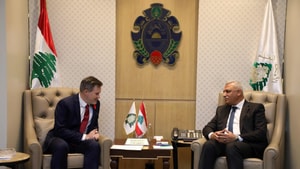
Separately, the central bank governor, who attended part of the Paris meetings, held high-level talks with the Governor of the Banque de France and US Treasury officials responsible for combating money laundering and terrorist financing.
His visit also included meetings with law firms representing the central bank in several legal proceedings in France and other countries. The cases involve former central bank officials and their associates and concern allegations of embezzlement of public funds, fraud and illicit enrichment.