Haidar unveils draft Labor Law overhaul
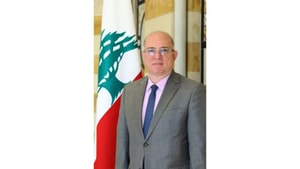
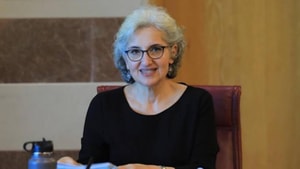
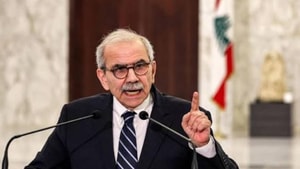
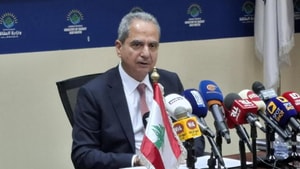
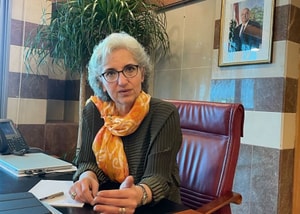
Labor Minister Dr. Mohammad Haidar said Lebanon has completed a comprehensive draft labor law aimed at modernizing legislation dating back to 1946, while Civil Service Council President Nisrine Machmouchi outlined a five-year plan to reform public sector pay, staffing and recruitment.
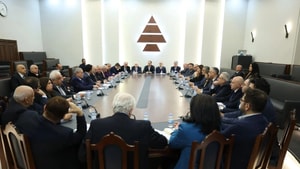
The remarks came during a seminar on Human Resources Reforms in Lebanon, organized by the Human Resources Management Institute at the Adnan Kassar School of Business at the Lebanese American University in Beirut. The discussion was moderated by Dean Dr. Dima Jamali, with Professor Elsa Abboud also participating.
Haidar said the new labor law was drafted over roughly 18 months in cooperation with the International Labour Organization, international bodies and Lebanese experts in social legislation. It has been referred to the government and relevant ministries for comments before the end of the year, ahead of its planned submission to Parliament next year.
He said the draft seeks to balance the rights of workers and employers and regulate modern forms of employment, including part-time work, remote work, digital-platform jobs and changes linked to artificial intelligence. It also expands coverage to sectors such as agriculture, construction and crafts.
Haidar also revealed that the Index Committee had agreed in principle to link the daily transportation allowance to the cost of five liters of gasoline, with a minimum of LBP 500,000 per day.
On wages, he said studies indicate that a decent standard of living would require around $1,200 per month, while acknowledging that current conditions make that level difficult to reach. A committee will continue meeting to seek a realistic and balanced figure.
Machmouchi said public administration reform rests on restructuring staffing, strengthening merit and transparency, improving employee conditions and adapting government institutions to digital transformation.
She said public sector salaries lost around 90% of their value between 2020 and 2024, while government payrolls, allowances and operating and health benefits account for roughly 43% to 56% of state budget appropriations.
Machmouchi said a draft law prepared with the Finance Ministry and Banque du Liban sets out a 2025-2030 roadmap for phased salary increases, with the aim of restoring around 80% of employees’ pre-crisis purchasing power by 2030.
She added that Lebanon’s official civil service structure contains 28,899 posts, with thousands of vacant positions already abolished across several ministries. The long-term objective, she said, is to streamline the civil administration to between 13,000 and 15,000 posts while creating new roles suited to digital government.
Both speakers stressed the need to align education, recruitment and training more closely with the changing needs of Lebanon’s labor market.