Patriarch Rai calls for Lebanon’s neutrality, state reform and lasting peace
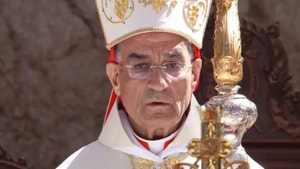
Maronite Patriarch Cardinal Bechara Boutros al-Rai called for comprehensive reforms in Lebanon, stressing the need to restore public institutions, uphold the rule of law and rebuild citizens’ confidence in the state.
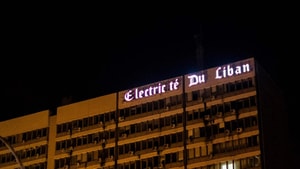
Delivering his Sunday sermon at the Patriarchal See in Bkerke, Rai said recent disruptions to electricity supplies affecting public administrations, institutions and essential services, including communications, due to accumulated unpaid bills, highlighted serious shortcomings in public administration, with citizens ultimately bearing the consequences.
Addressing the waste management and environmental crisis, he said repeatedly transferring garbage from one landfill to another does not constitute a solution, stressing the need for proper sorting, treatment and recycling, alongside shared responsibility for protecting public health and the environment.
Rai also emphasized the importance of food safety and public health, calling for effective oversight and accountability to protect citizens from negligence and fraud.
On the judicial front, he noted that the Dahr el-Baydar case had entered a new judicial phase, stressing that investigations must proceed fully and independently, away from political interference, premature judgments and political exploitation.
Turning to the broader security situation, Rai described peace as an existential national necessity, warning that Lebanon should not remain vulnerable to the threat of renewed war whenever regional tensions escalate.
He stressed the need for a state that exercises control over its decisions, with a unified national authority responsible for matters of security and peace, and institutions capable of safeguarding stability.
Rai also underscored the importance of keeping Lebanon neutral from regional conflicts and power struggles, emphasizing that neutrality does not mean abandoning legitimate causes or distancing the country from its regional surroundings. Rather, it is a means of protecting Lebanon from becoming a permanent battleground for other parties’ conflicts and preserving its role as a space for dialogue, coexistence and peace.
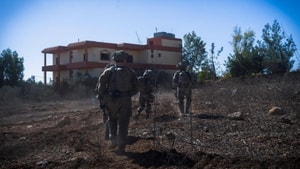
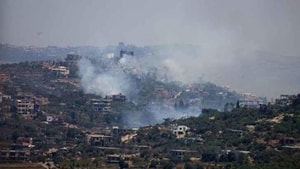
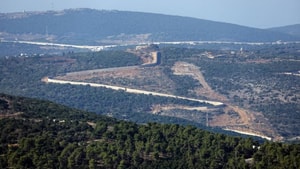
Separately, Rai said the Council of Catholic Patriarchs and Bishops in Lebanon, which begins its annual week-long session on Monday, had received an appeal outlining 10 urgent demands from five Christian border villages in southern Lebanon: Rmeish, Debel, Ain Ebel, Alma al-Shaab and Qawzah.
He assured residents that their concerns would be given significant attention during the council’s deliberations and called on the faithful to support them through prayer.