Lebanon participates in IMF and World Bank annual meetings
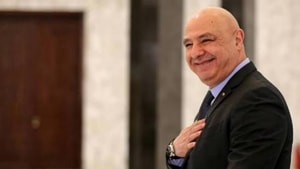
Lebanon is participating in the annual meetings of the International Monetary Fund (IMF) and World Bank Group in Bangkok, with a delegation headed by Finance Minister Yassine Jaber and including Economy and Trade Minister Amer Bisat, Banque du Liban Governor Karim Souaid, and presidential adviser Rouaa Al-Harati.
The Finance Ministry delegation also includes Director General George Maarawi and advisers Zeina Kassem and Claudine Karki.
The delegation’s program, running through October 16, includes meetings with IMF, World Bank and International Finance Corporation officials, alongside participation in the Group of 24, Development Committee and Arab Governors’ meetings.
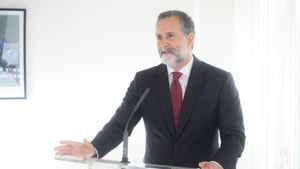
On the opening day, Jaber met World Bank Executive Director Abdulaziz Al-Mulla to discuss financial and banking reforms, legislation addressing the banking sector and financial restructuring, and progress on Lebanon’s reform roadmap with the IMF.
Discussions also focused on regional integration projects involving electricity, gas, solar energy, railways and transport, with particular emphasis on cooperation with Syria, Iraq and Jordan to support Lebanon’s economic recovery.
Participants examined plans for a comprehensive development master plan covering productive sectors and investment priorities in energy, water and infrastructure over the coming decade. They agreed to pursue regular technical meetings to establish financing mechanisms and translate proposals into projects supporting economic activity and job creation.
Jaber also participated in the inaugural board meeting of the Borrowers’ Platform, alongside representatives of member states, the United Nations, UN Trade and Development (UNCTAD), international institutions and civil society.
He said the platform addresses a significant gap in the international financial system by providing borrowing countries with a mechanism to coordinate policies, exchange expertise and strengthen their collective voice.
Jaber warned that rising debt-servicing costs were restricting governments’ ability to invest in healthcare, education, climate action and infrastructure. He called for lower borrowing costs, greater access to concessional financing and stronger national debt-management capabilities.
He thanked Egypt’s finance minister for leading the platform during its transitional phase and congratulated Pakistan’s finance minister on assuming its presidency, reaffirming Lebanon’s support.
UN Secretary-General António Guterres, in a message to the meeting, described the platform’s establishment as an important step toward greater financial justice for developing countries.
The meeting outlined technical priorities for the coming period and preparations for a workshop scheduled in Cairo in January 2027.